
Chronic Pain Treatment Resources and Industry News

How Sleep Affects Chronic Pain and Tips for Better Rest
September 26, 2025
Living with chronic pain can make restful sleep feel impossible, yet sleep is one of the body’s most powerful tools for healing. Pain and sleep are closely linked: poor sleep

The Intracept Procedure: A New Option for Chronic Low Back Pain
September 18, 2025
Chronic low back pain is one of the most common conditions that keeps people from living active, comfortable lives. For many patients, traditional treatments such as physical therapy, medications, or

The Role of Nutrition in Managing Neuropathic Pain
September 12, 2025
Neuropathic pain is a complex condition caused by nerve damage or dysfunction, often described as burning, tingling, or shooting pain. Unlike acute pain, which usually resolves as the body heals,

How to Prepare Mentally and Physically for Your First Pain Management Consultation
September 4, 2025
Living with chronic pain can feel overwhelming, but seeking professional help is a powerful step toward improving your quality of life. A first consultation with a pain management specialist is

The Link Between Gut Health and Chronic Pain: What You Need to Know
August 28, 2025
Chronic pain affects millions of people around the world, interfering with daily life and often leading to emotional distress and disability. Whether it’s persistent back pain, joint discomfort, or migraines,

Using Virtual Reality Therapy for Pain Distraction and Management
August 21, 2025
Chronic pain affects millions of people, often limiting daily activities, reducing quality of life, and contributing to emotional challenges such as anxiety or depression. While medications and physical therapies remain

The Science Behind Pain Perception: Why Two People Feel Pain Differently
August 14, 2025
Pain isn’t a simple “ouch button.” It’s a brain–body experience shaped by biology, psychology, and environment—moment to moment. Pain 101: More Than a Signal Pain begins with nociception—specialized nerves detect

How Personalized Pain Management Plans Improve Patient Outcomes
August 7, 2025
Living with chronic pain is a deeply personal experience. No two people feel pain the same way, nor do they respond to treatments in identical fashion. This variability is why
Previous Articles:

At-Home Pain Management Techniques During the Holidays
December 24, 2025
The holiday season is often filled with joy, gatherings, and busy schedules—but it can also be a challenging time for individuals managing chronic pain or musculoskeletal conditions. Changes in routine,
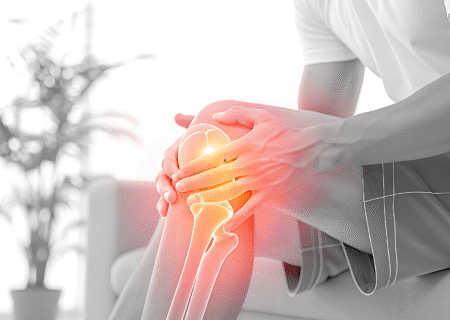
Low Impact Exercises to Reduce Knee Pain and Improve Mobility
December 18, 2025
Knee pain is a common issue that can greatly impact one’s quality of life. Whether it’s caused by injury, arthritis, or overuse, finding effective ways to manage knee pain is

How Telehealth Is Revolutionizing Access to Pain Management Services
December 11, 2025
Chronic pain doesn’t wait for the perfect moment, the right schedule, or the most convenient commute. For millions of people, getting relief has long meant navigating long travel times, limited

The Role of Hormones in Pain Sensitivity and Management
December 4, 2025
Hormones influence nearly every system in the body — including how we experience pain. While pain is often linked to injury or inflammation, the body’s hormonal environment plays a major

How Occupational Therapy Helps Patients Adapt and Manage Pain Daily
November 25, 2025
Living with chronic pain can make even simple daily tasks feel overwhelming. Occupational Therapy (OT) is a powerful, often underutilized tool that helps patients regain independence, reduce discomfort, and build

Understanding CRPS and Its Treatments
November 19, 2025
Complex Regional Pain Syndrome, or CRPS, is a chronic pain condition that often develops after an injury, surgery, or even minor trauma. While it is not very common, it can